Book recommendations, reviews, and reading lists.

Jane Harper
1 book on Read & Recommend
What Readers Say
Jane Harper gets one consistent, fervent compliment from Reddit readers: she knows how to use a setting. The Australian outback isn't just a backdrop in her books — it's a character, a weight, a source of dread that seeps into every page. As u/EebilKitteh puts it, "the way she uses the setting is chef's kiss." That atmospheric intensity is what hooks people, transforming a mystery into something almost sensory. Readers often mention how quickly they tear through her novels, describing them as the kind of addictive page-turners you stay up late to finish. The Dry gets named right alongside Gone Girl and None of This is True in a thread asking for addictive books, signaling that Harper’s tension-building is on par with the biggest names in domestic suspense.
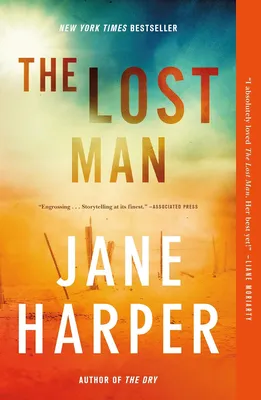
Praise centers on her psychological depth rather than breakneck action. She’s recommended in threads asking for psychological thrillers that are “actually good,” and readers respond by lumping her in with Tana French and Megan Abbott — writers known for character-driven, slow-burn crime stories. That’s the type of reader who seems to love her most: someone who wants the crime to feel grounded, the characters flawed but real, and the atmosphere thick enough to feel the heat. The Lost Man gets singled out as a favorite, particularly for how it uses isolation to amplify family secrets.
Criticism barely surfaces in these mentions, which is telling. When a writer shows up repeatedly in "best of" threads without caveats, the consensus is clear: she delivers consistently. The only note of variety is that different books appeal to different readers — some prefer the faster pacing of The Dry, while others fall hard for the standalone The Lost Man. But no one seems to think she’s written a dud. She’s a safe bet for anyone who wants a mystery that doesn’t rely on cheap twists, but rather on the slow, unshakeable pull of a place where the land itself feels hostile.
Where to Start
If you’re new to Jane Harper, the most common entry point is The Dry, her debut and the book that launched her Aaron Falk series. It’s the one that surfaces in threads about addictive reads, and for good reason — it immediately establishes her grip on atmosphere and gives you a taut, small-town mystery that’s hard to put down. Starting here introduces you to Falk, a federal agent investigating a murder-suicide in his drought-ravaged hometown, and it’s a perfect sampler of everything Harper does well: simmering tension, buried guilt, and a landscape that feels ready to swallow everyone whole.
But if you’d rather skip the series and jump straight to what many fans call her best work, grab The Lost Man. It’s a standalone, and the isolation of the outback is even more central here. Without the familiar framework of a detective, the story leans harder on family dynamics and the harsh reality of surviving on remote land. Readers who crave pure psychological atmosphere over procedural beats tend to declare this one their favorite. If you’re the type who loved Tana French’s The Witch Elm — where setting and character outweigh plot — The Lost Man is your Harper novel.
Reading Context
Within the psychological thriller space, Jane Harper has carved out a distinct niche defined by place. She’s often grouped with Tana French (for her character-driven Irish murder stories) and Megan Abbott (for her dark, feminine psychology), both of whom are name-checked right alongside Harper in recommendation threads. Like French, Harper uses a specific, almost mythic landscape to generate unease — rural Australia instead of Dublin, but with the same oppressive intimacy. Readers are drawn to that specificity; it makes her books feel less like generic thrillers and more like literary crime fiction.
In the broader Reddit book ecosystem, Harper gets mentioned in the same breath as Gillian Flynn and Liane Moriarty — meaning she’s seen as both a sharp writer and a reliable purveyor of “can’t put it down” stories. No major film or TV adaptations come up in these conversations, so the fandom remains rooted in the books themselves. If anything, that absence has helped her reputation: she’s an author you discover through word-of-mouth, a name passed from one reader to another when someone asks for a thriller that won’t disappoint.