Book recommendations, reviews, and reading lists.

The Lost Man
by Jane Harper
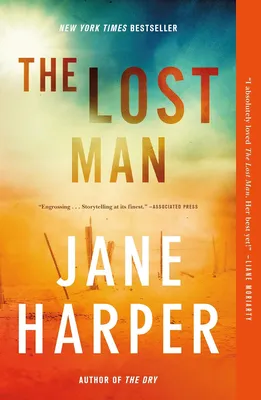
| Publisher | Flatiron Books |
| Published | 2019-02-05 |
| Pages | 352 |
| ISBN | 9781250105684 |
| Categories | Fiction |
What Readers Say
When I comb through what readers are saying about The Lost Man, one thing keeps surfacing: Jane Harper’s mastery of setting. Redditor u/EebilKitteh calls it their favorite of her books and describes the way she uses the Australian outback as “chef’s kiss.” That’s not just casual praise—it points to how the landscape becomes a silent, suffocating character in its own right. The isolation, the relentless heat, the dust-choked distances… they don’t just serve as backdrop; they tighten the psychological vise. Readers consistently note that Harper doesn’t rely on cheap twists or sudden shocks. Instead, the tension builds from the environment itself and the secrets baked into a family living on the literal edge of civilization.
Because the mentions here are brief, I don’t have a clear common criticism to report. But the fact that the book is bundled on lists with titles like The Secret History, Rebecca, and Tana French’s work suggests that readers who bounce off it likely wanted a faster, more action-driven mystery. What surprises many is how literary the thriller feels—it’s a slow unraveling of a family’s past, with the dead man’s fate tied as much to memory and resentment as to any physical clues. The reader comment about Wilkie Collins and Donna Tartt as companions reinforces that: this is a book that rewards patience and a taste for moral murk.
Who It's For
If you’re the kind of reader who fell hard for Tana French’s ability to make a single interrogation feel more tense than a car chase, you’ll find your fix here. The same goes for fans of Megan Abbott’s claustrophobic family dramas, where the real danger is the person you’ve known your whole life. The Lost Man is squarely for people who want their psychological thrills steeped in atmosphere rather than adrenaline. I’d hand it to someone who loved The Secret History not for the murder itself, but for the way it twisted group loyalty into something corrosive. It’s also for anyone curious about Australian noir—think Jane Harper’s own The Dry, but with an even deeper dive into the interior isolation of the outback.
Reading Context
You don’t need to have read Harper’s Aaron Falk series to pick this up; it’s a standalone, and in many ways a more contained, family-focused story. If you’re coming from The Dry, expect a different pace—less detective work, more immersive character study. Readers often pair it with other domestic noirs like Sharp Objects or The Push, where the crime is a doorway into generational damage. There’s no film adaptation yet, but the book’s vivid sense of place makes it feel cinematic on its own. A heads-up: the mystery doesn’t hinge on forensic twists. The real tension lies in understanding why a man would walk to his death in the middle of nowhere when his car was a few miles away. Go in knowing the outback will be your constant, nerve-fraying companion.