Book recommendations, reviews, and reading lists.

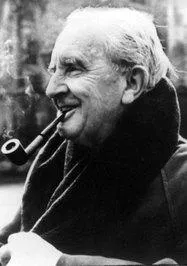
J.R.R. Tolkien
2 books on Read & Recommend
Writing Style
Readers don't reach for Tolkien because his prose is flashy — they reach for him because Middle-earth feels real in a way that's almost impossible to explain. The worldbuilding isn't just backdrop; it's load-bearing. The languages, the histories, the genealogies buried in appendices — it all accumulates into something that feels like it existed before the books did. What keeps readers coming back is less the plot mechanics than the texture: the sense that there's more world than the story can contain. One commenter grouped him with Frank Herbert as one of the only writers with "pure mastery of theme, character, worldbuilding, and prose" — which is a high bar, but it captures why Tolkien sits in a category of his own.
He also wrote for the ear as much as the eye. The Hobbit in particular turns up on read-aloud lists — it has the rhythm and warmth of a story that was told before it was written down.
Where to Start
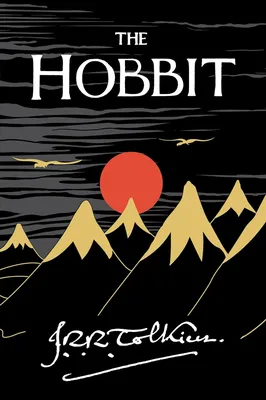
The Hobbit is where most readers begin, and it's still the right call — it's shorter, lighter, and easier to fall into than the trilogy. It works beautifully as a standalone, and it gives you just enough of Middle-earth to understand what you're walking into when you continue. The "50 books" crowd picked it as their epic adventure slot; comfort readers reach for it when they need something that feels safe and warm.
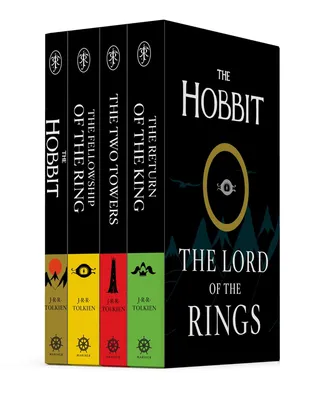
The Lord of the Rings is a different kind of book — longer, denser, and more elegy than adventure by the end. I'd argue The Fellowship of the Ring alone is worth reading even if you stop there. Readers dealing with grief or hopelessness show up in these threads recommending it specifically — not as escapism but as something that makes the world feel large enough to be worth staying in.
Similar Authors
C.S. Lewis and Terry Pratchett appear in the same threads most often — Lewis for the mythic register, Pratchett for the warmth and wit. Patrick Rothfuss and Erin Morgenstern get recommended to readers who want that same sense of a world with deep history behind it. For the more scholarly side of Tolkien's influence, Gene Wolfe and Frank Herbert come up — both writers who, like Tolkien, expected readers to work for what they got.