Book recommendations, reviews, and reading lists.


Pat Frank
1 book on Read & Recommend
Writing Style
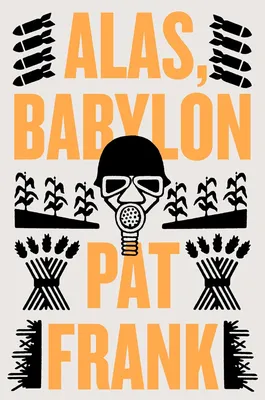
Pat Frank writes post-apocalyptic fiction that leans into community and problem-solving rather than violence and despair. Alas, Babylon — his best-known work — is one of the most optimistic pieces of nuclear fiction ever written, which puts it in genuinely rare company for a genre that usually defaults to bleakness. The prose is dated in all the ways you'd expect from a 1959 novel: there's casual racism and misogyny baked into the social fabric of the story. Frank doesn't pretend the pre-war world was perfect, but he does seem to believe people can hold together when things collapse. That combination — unflinching about the disaster, hopeful about human response — is what readers remember decades later.
Where to Start
There's only one place to start: Alas, Babylon. A small Florida town survives nuclear war and has to rebuild from scratch. Readers who encountered it in high school tend to cite it as one of those books that stuck. It belongs in the same breath as George R. Stewart's Earth Abides and Neville Shute's On the Beach — canonical post-apocalyptic fiction that treats civilization's collapse as an intellectual and moral problem, not just a survival spectacle. It's now in the public domain, so there's no barrier to getting it.
Similar Authors
Readers who recommend Pat Frank tend to place him alongside other mid-century post-apocalyptic writers: George R. Stewart (Earth Abides), Neville Shute (On the Beach), Leigh Brackett (The Long Tomorrow), and John Christopher (No Blade of Grass). These are the books that show up in the same threads — quiet, philosophical takes on collapse rather than action-heavy dystopias.