Book recommendations, reviews, and reading lists.

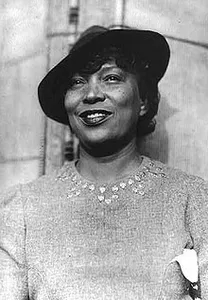
Zora Neale Hurston
1 book on Read & Recommend
What Readers Say
Hurston's readers don't talk about her the way they talk about most classic authors — there's a warmth and conviction in how they recommend her that's unusual. Their Eyes Were Watching God comes up constantly, and the praise goes well beyond "it's a classic you should read." One reader calls it "my benchmark for all fiction." Another says it has "the most stunning last sentence I've ever read." A teacher who first encountered it in high school named her daughter Zora. What readers respond to isn't just the story — it's the prose itself, the way Hurston uses language. She's cited on "most beautiful writing" lists alongside Ishiguro and Chekhov, which tells you something.
There's also an interesting thread in how readers frame her historically. She was criticized during the Harlem Renaissance for not being political enough — she wrote slice-of-life stories rather than protest literature. Reddit finds this framing fascinating rather than damning. It's part of why she appeals to people looking for Black literature that isn't primarily about racism as a subject — Hurston was interested in Black life, Black joy, Black interiority.
Where to Start
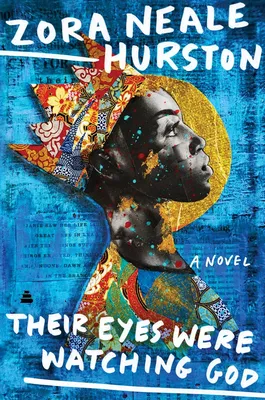
Their Eyes Were Watching God is the answer — there's essentially no debate across any of the Reddit threads. It's the book readers recommend first, the one that converts people into Hurston readers, and the one that keeps getting re-recommended on "best classics" and "most beautiful books" lists. After that, Dust Tracks on a Road, her autobiography, gets mentions as a natural follow-up for readers who want more of her voice outside of fiction.
Reading Context
Hurston gets paired consistently with Octavia Butler, Alice Walker, and Toni Morrison — the core of the Black American women's literary canon. She shows up on banned books lists (Their Eyes Were Watching God has a long history of being challenged), which puts her in the company of Atwood and Walker in that specific conversation. Her Harlem Renaissance context is present in how readers frame her, but the emphasis is always on her as a literary artist, not a historical artifact. Readers come for the language and stay for everything else.