Book recommendations, reviews, and reading lists.

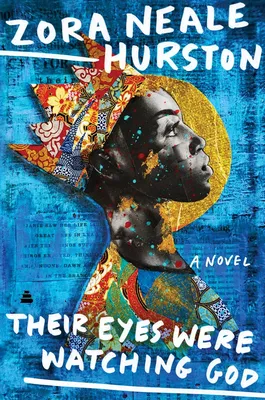
Their Eyes Were Watching God
by Zora Neale Hurston
| Published | 1937 |
| Pages | 207 |
| ISBN | 9780252017780 |
| Categories | African American women |
What Readers Say
The single most consistent thing readers say about this book is that the prose is extraordinary — not "good for its time" extraordinary, but underline-every-sentence extraordinary. One reader called it their "benchmark for all fiction." Another singled out the final sentence as the most stunning they've ever read in any novel. It turns up in "most beautiful writing" threads more reliably than almost anything else, which says something about the staying power of Hurston's sentences after nearly ninety years. Readers who encountered it in high school often carry it for decades; readers who come to it as adults are sometimes floored that they waited so long.
Who It's For
This is the book for readers who want a female protagonist story that's actually about something — Janie Crawford's three marriages aren't a backdrop, they're the whole architecture, and what Hurston builds out of them is a portrait of a woman learning what it means to live on her own terms. It also turns up constantly in threads about Black literature where readers specifically want stories about Black characters living and thriving, not surviving racism. Hurston was criticized by her contemporaries for writing slice-of-life rather than protest literature — and that's exactly why it holds up. At 207 pages it reads fast, which surprises people who've been putting it off.
Reading Context
It pairs naturally with The Color Purple and Kindred in lists of essential African American women writers, and it appears alongside Austen and the Brontës in "classic must-reads" threads — which tells you exactly where readers place its literary weight. The book is set partly in a fictionalized version of Eatonville, Florida, one of the first all-Black incorporated towns in the US, though the story is Janie's interior life, not a history lesson. It's been challenged and banned in various districts, making it a fixture of banned books discussions, but it's also the kind of book a high school librarian hands you that changes the direction of your reading life.