Book recommendations, reviews, and reading lists.

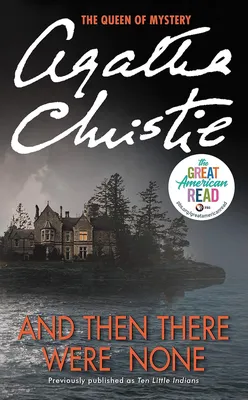
And Then There Were None
by Agatha Christie
| Publisher | Macmillan |
| Published | 2001-05-13 |
| Pages | 292 |
| ISBN | 9780312979478 |
| Categories | Fiction |
| Google Rating | 4/5 (43 ratings) |
What Readers Say
The thing that keeps coming up in every discussion I've seen about this book is rereadability — which is surprising for a mystery, since knowing the solution usually kills the tension. But readers consistently say And Then There Were None holds up on rereads in a way that Murder on the Orient Express doesn't. One reader put it plainly: MOTOE loses its suspense once you know the trick, but ATTWN feels "fresh and thrilling every time." That's a meaningful distinction. Christie packed in enough character texture and dread that the experience survives the reveal.
The most common point of praise is the construction of the solution itself — the way it feels impossible right up until it doesn't. Readers describe that shift as one of the best moments in mystery fiction: you can't figure it out, and then it's explained, and suddenly it feels inevitable. The main criticism, and it's a real one, is that some readers feel the ending arrives by a method that wasn't quite earned by the clues available to the reader — more of a confession delivered from outside the story's logic than a fair-play solution. A minority of readers feel cheated by this. Most don't, but it's worth knowing going in.
What surprises people, especially younger readers or those coming to Christie for the first time, is how fast it moves. Christie's short chapters pull you relentlessly forward — readers describe finishing it in a single sitting without meaning to. It's also frequently cited as the book that got people into mysteries in the first place, or back into reading after a long gap. That's not nothing.
Who It's For
This is the book I'd hand to someone who's never read Christie and wants to know what all the fuss is about. It's a standalone — no Poirot, no Marple, no prior context needed — which makes it the cleanest entry point into her work. If you loved Knives Out or Glass Onion for the locked-room ensemble energy, this is where that tradition lives at its purest. Readers who got hooked on modern closed-circle thrillers like The Guest List by Lucy Foley or The Seven and a Half Deaths of Evelyn Hardcastle should read this first, not after, because those books are in direct conversation with it.
It also works for readers who think they don't like "old" books. The prose is clean, the pacing is aggressive, and there's nothing stuffy about it. I'd also point thriller readers — not just mystery readers — toward this one. The atmosphere is closer to horror than cozy detection.
Reading Context
Go in as cold as you can. Don't read the back of older editions, don't look up the original title (it's been published under several names for reasons worth knowing after you've read it, not before), and don't watch any adaptation first. The BBC miniseries is genuinely good, but it changes the ending — and Christie's ending is the whole point. Save the adaptation as a follow-up conversation with yourself about which version you think is more satisfying.
This is one of the books that established the "isolated location, dwindling cast" template that thriller writers have been borrowing ever since. Reading it now, you might recognize the bones of dozens of things you've already seen — that's not the book feeling dated, that's the book being the source. If you want to continue with Christie after this, the dedicated Christie community tends to suggest warming up on a few Poirot novels before tackling The Murder of Roger Ackroyd, which has its own famous twist that lands harder if you've built up some trust in the format first.