Book recommendations, reviews, and reading lists.

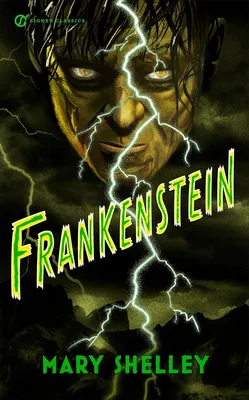
Frankenstein
by Mary Shelley
| Publisher | Simon and Schuster |
| Published | 2004-05 |
| Pages | 353 |
| ISBN | 9780743487580 |
| Categories | Fiction |
| Google Rating | 3.5/5 (16 ratings) |
What Readers Say
Almost everyone who reads Frankenstein for the first time says the same thing: I thought I knew what this book was about. They didn't. The green lumbering creature with bolts in his neck bears almost no resemblance to what Mary Shelley actually wrote. The creature in the novel is articulate, philosophical, and heartbroken — a being who teaches himself to read, who reasons and argues and pleads, and who eventually turns monstrous not because of what he is but because of what was done to him. Readers consistently say they came expecting a monster story and left having read a tragedy about abandonment and the cruelty of rejection.
Victor Frankenstein is where readers get divided. Some find his self-pity and refusal to face consequences genuinely maddening — one commenter put it plainly: watching him crumble while refusing to take responsibility drove them nuts. Others argue that's exactly the point. Victor's ego isn't a flaw in the novel; it's the engine of it. He is the real horror, not his creation. The creature just wanted to be loved, and that particular reading — that the creator is more monstrous than the creation — hits readers hard enough that several described the book as one that changed how they think.
What surprises people most is the writing itself. Readers who brace for dense Victorian slog find something lyrical and emotionally precise instead. Readers also frequently mention the 1818 versus 1831 editions: the earlier text has slightly different themes, and people who've read both have opinions about which one lands harder.
Who It's For
This is for readers who write off 19th-century literature as stuffy and unapproachable — and who need exactly one book to prove them wrong. It's also for anyone drawn to stories where the villain is ambiguous and the monster earns your sympathy. If you've ever felt like an outsider who was shaped into something difficult by the people who were supposed to accept you, the creature's arc will stick with you in a way that's hard to shake.
Horror readers who want genre roots will find this essential — it's the progenitor of playing-god narratives from Jurassic Park to Blade Runner — but it reads more like literary tragedy than horror. Readers who loved The Strange Case of Dr Jekyll and Mr Hyde or The Picture of Dorian Gray tend to click with it for the same reasons: a central philosophical question dressed up as a thriller.
Reading Context
The natural pairing is Dracula — both define the Gothic horror canon, and readers who finish one almost always reach for the other. Dr Jekyll and Mr Hyde, The Island of Doctor Moreau, and Wuthering Heights come up most often as follow-reads, along with Poor Things by Alasdair Gray for a more recent riff on the same creation-and-consent territory. For the "what else did Shelley write?" crowd, her 1826 novel The Last Man — a post-apocalyptic plague narrative — has a devoted underground following who feel it gets unfairly buried by Frankenstein's shadow.
There have been many film adaptations, and readers almost universally think they miss the point. The most faithful version, according to multiple mentions, is Rory Kinnear's portrayal of the creature in the TV series Penny Dreadful — which captures the rejection and bitterness that the movies flatten into pure monster.
One practical note worth knowing: the book is short. Readers building up to it often discover it reads faster than expected, which makes the emotional weight of it hit even harder.