Book recommendations, reviews, and reading lists.

Sweet Thursday
by John Steinbeck

| Publisher | Penguin UK |
| Published | 2000-11-30 |
| Pages | 254 |
| ISBN | 9780141185521 |
| Categories | Fiction |
What Readers Say
Readers don’t just recommend Sweet Thursday—they practically demand you read it. The enthusiasm of Reddit’s u/mikahstyr, insisting “once u finish cannery row, dont forget to read sweet thursday!!!”, captures a common urgency: this isn’t a throwaway sequel, but a book that deepens your affection for the first one. What really haunts me from these mentions, though, is the reaction to chapter ten. A reader named u/wetjosh described putting the book down for an entire week just to live inside that chapter’s effect, then rereading it and finding their feelings not only intact but “confirmed.” They called it “the single greatest chapter ever written in a book.” That’s not casual praise—that’s the kind of statement you make when an author has done something so precise and human that it rearranges your expectations for what fiction can do. The fact that such a quiet, companionable novel contains a chapter that hits with that force is the surprise readers keep pointing to.
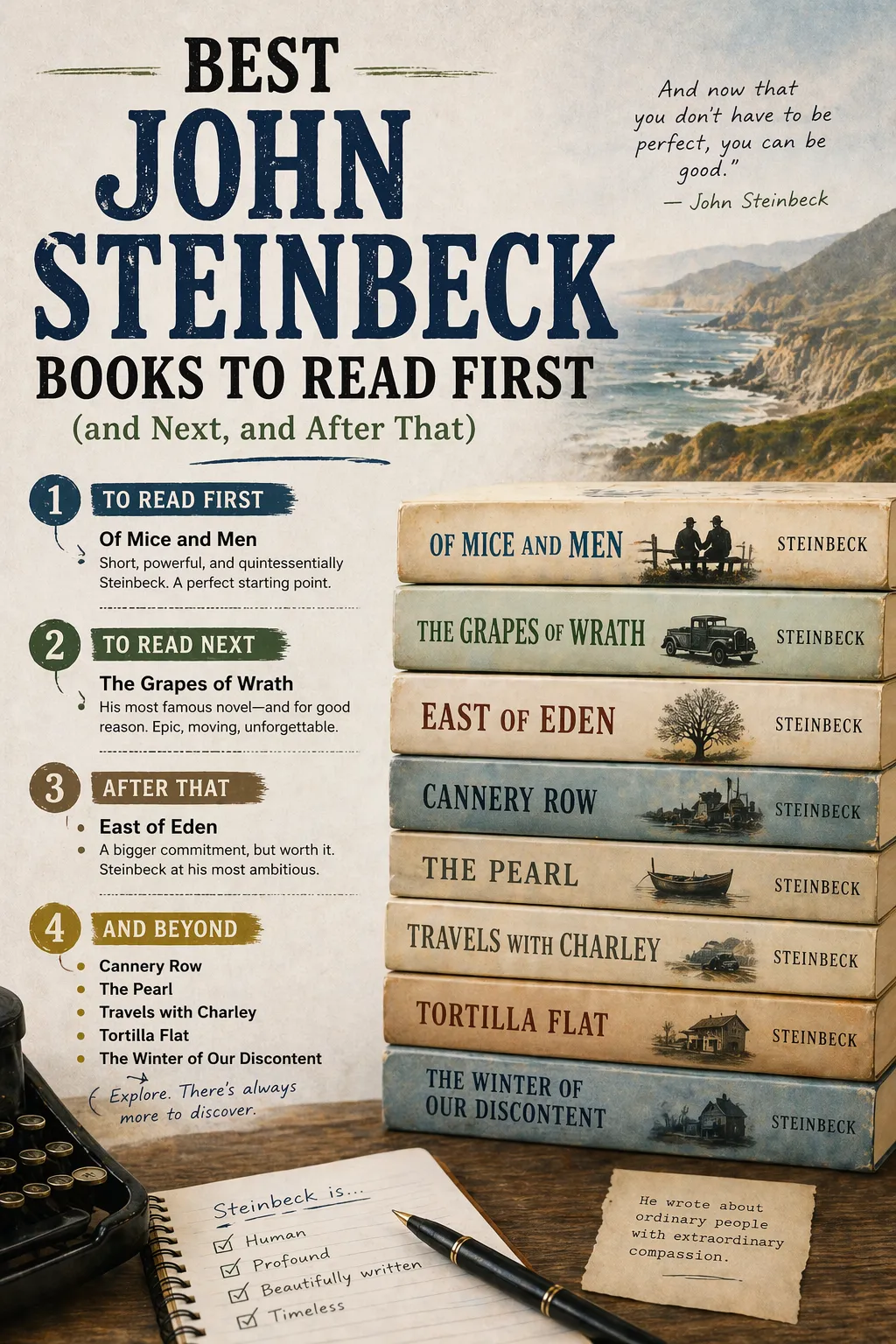
Beyond individual moments, the consensus among Steinbeck devotees is that Sweet Thursday earns its place as a worthy follow-up, not a pale shadow. It consistently appears in roundups of his best work—ranked tenth on one curated list right alongside Tortilla Flat and The Winter of Our Discontent. The mentions don’t reveal a ton of nitpicking or common critiques; instead, they suggest a book that gets overshadowed by Steinbeck’s heavy hitters but rewards anyone who returns to Cannery Row.
Who It’s For
This is for readers who finished Cannery Row and felt a pang of loss leaving Mack, Doc, and the Palace Flophouse behind. If that novel’s blend of low-life philosophy and sudden tenderness got under your skin, Sweet Thursday is the ride you didn’t know you needed. It’s also a perfect next step for Steinbeck fans who’ve only tackled the titans—East of Eden, The Grapes of Wrath—and want to see his playful, comic register without sacrificing emotional weight. Think of it as Tortilla Flat’s spiritual sibling, or what happens when the vignette structure of Cannery Row coalesces into a more focused story about second chances after World War II. If you’ve ever loved a book so much you were almost afraid to see what happened next, this one’s for you.
Reading Context
Treat this as the second half of a duology: you absolutely must read Cannery Row first. Where that book is a collection of poetic snapshots, Sweet Thursday picks up with Doc returning from the war and trying to find his footing again, and Steinbeck gives it more of a traditional narrative spine. The chapter that stunned u/wetjosh—chapter ten—isn’t flashy; it’s a quiet, beautifully observed stretch that you might miss if you were skimming for plot. Knowing it’s coming lets you settle in and pay attention. There’s no major film adaptation to compete for your mental images, so the Monterey that lives in Steinbeck’s prose is all yours. When you’re done, loop back to Tortilla Flat if you haven’t already—it shares the same ragged charm. And if the lighter side of Steinbeck surprises you, The Winter of Our Discontent shows how he can turn that same humor into something quietly devastating.