Book recommendations, reviews, and reading lists.

Best John Steinbeck Books to Read First (and Next, and After That)
2026-04-21 · Written by Josh
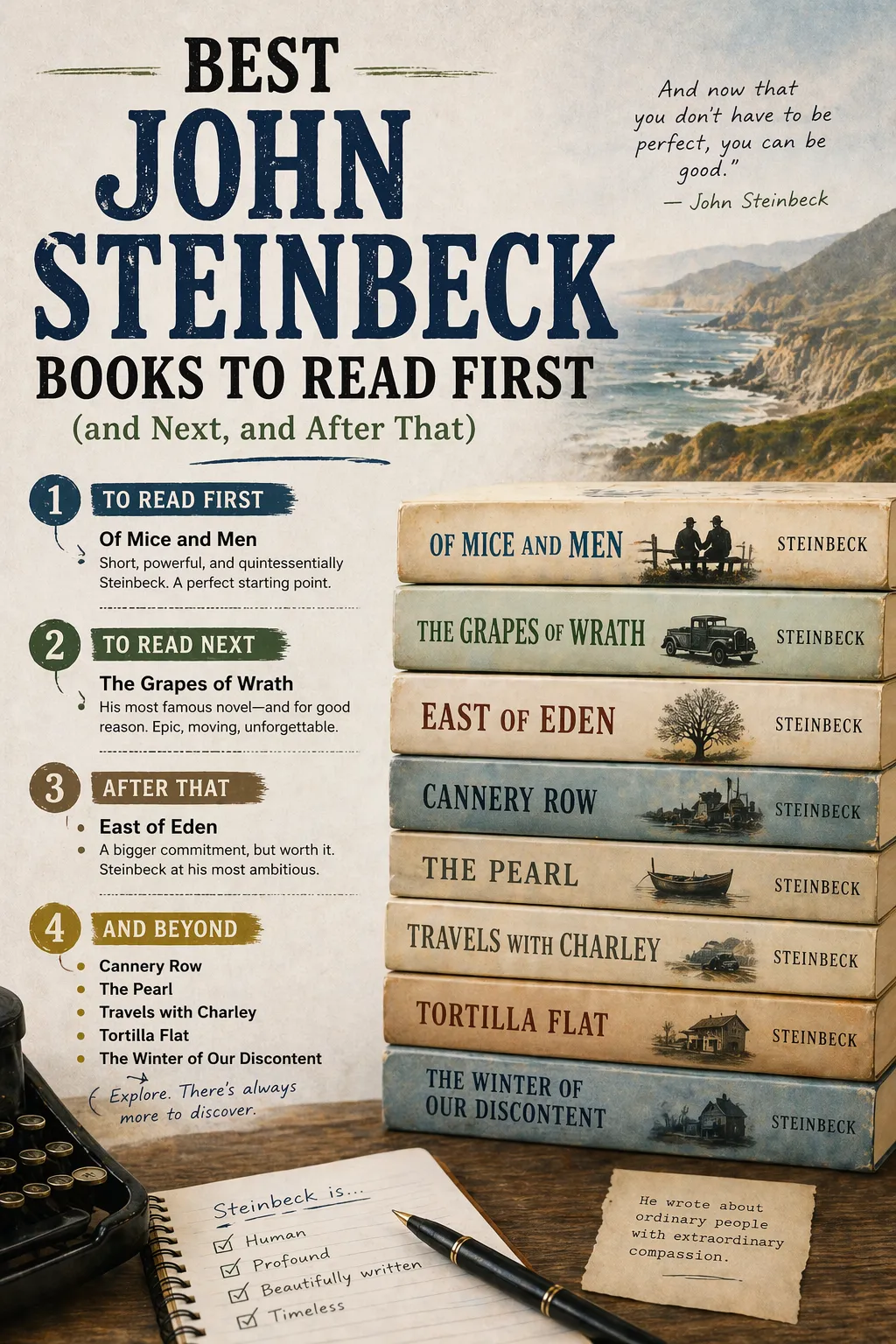
He Wrote About Losers and Made You Feel Like the Loser Was You
John Steinbeck is one of those writers who sounds intimidating on paper — Nobel Prize, high school required reading, "American classic" stamped on the spine — and then you actually read him and realize he's just telling you the truth. About poverty. About land. About what happens to people when the economy turns them into a problem to be solved.
I came to Steinbeck later than most. He was force-fed in school in a way that made me resentful of him for years, the way you can resent a food you were made to eat too young. Then I picked up Cannery Row on a whim and finished it in a day, and I felt like I owed someone an apology. The man could write a sentence.
This guide is for anyone who wants to read Steinbeck and doesn't know where to land — whether you bounced off him in school, want to start with his most celebrated work, or just want to know which of his books are worth your time. I'll tell you what kind of reader each book suits, because not every Steinbeck is the same Steinbeck.
1. East of Eden by John Steinbeck
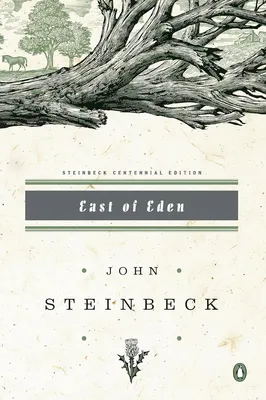
If you're only going to read one Steinbeck, this is the one. It's his biggest book — nearly 700 pages — and also his most personal, the one he called his life's work in letters to his editor. It follows two families across multiple generations in the Salinas Valley, from the Civil War to World War I, and it's structured around the Cain and Abel story from Genesis, specifically the Hebrew word timshel, which Steinbeck translates as "thou mayest" — the idea that we choose who we become.
Readers describe this book as emotionally overwhelming in the best way. One commenter put it plainly: "East of Eden is the most beautiful book I've ever read." Another compared it to Bleak House and Anna Karenina in terms of scope and character depth — and that's not wrong. It has everything: family betrayal, obsession, a villain so compelling she's hard to forget, and a philosophy of free will that hits you somewhere real.
Who it's for: Readers who want a big American novel that earns every page — and doesn't let you leave it without thinking differently about choices and guilt.
2. Of Mice and Men by John Steinbeck
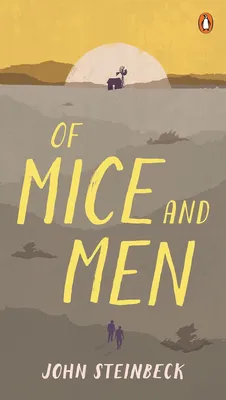
Yes, you probably read this in school. Read it again. It's 107 pages and it will wreck you faster the second time because you know what's coming and Steinbeck is so ruthless about it that you keep hoping something's different.
George and Lennie are migrant farm workers with a dream that was never going to happen — a little land, a little independence — and the book is basically Steinbeck demonstrating how the world disposes of people who don't fit. The prose is stripped down, almost spare, and it lands harder for it. The ending is one of those moments in fiction you don't shake.
Who it's for: Anyone who wants Steinbeck in an afternoon, or needs a reminder of what short literary fiction at its best can actually do.
3. The Grapes of Wrath by John Steinbeck
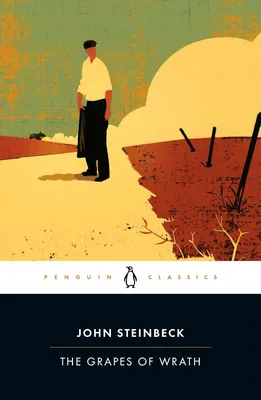
This is the one that won him the Pulitzer and the one that made California's agricultural industry so angry they tried to ban it. The Joad family gets pushed off their Oklahoma farm during the Dust Bowl and drives west toward California, where they've been told there's work. There isn't, not really — not for everyone, not with dignity.
What makes this more than a historical document is Steinbeck's fury. He's not detached. He's angry about what happened to these people, and that anger never tips into sentimentality. The intercalary chapters — short, alternating sections that zoom out to describe the broader migration — are some of the best prose he ever wrote. The famous ending has confused readers for decades and I'm not going to explain it here, but it's right.
Who it's for: Readers who can handle a slow burn and want to understand what "the American Dream" actually cost the people who couldn't afford it.
4. Cannery Row by John Steinbeck
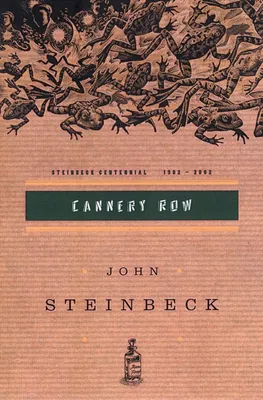
This is the Steinbeck most people don't expect. There's almost no plot. It's a portrait of a community — the bums, the marine biologist, the women at the brothel, the Korean grocer — on a single row of sardine canneries in Monterey, California, during the Depression. Steinbeck loved these people and it shows on every page.
The first paragraph alone is one of the strangest and most beautiful openings in American literature. It describes Cannery Row as "a poem, a stink, a grating noise, a quality of light, a tone, a habit, a nostalgia, a dream." That's the whole book in one sentence. The humor is dry and affectionate and the sadness sneaks up on you.
Who it's for: Readers who don't need a driving plot — just atmosphere, voice, and a writer who genuinely loved the people he was writing about.
5. Tortilla Flat by John Steinbeck
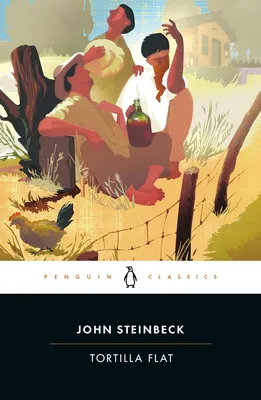
Tortilla Flat is Steinbeck playing. It follows a loose group of paisanos — mixed-heritage men living outside Monterey — as they scheme, drink wine, form unlikely friendships, and get into beautifully low-stakes trouble. It's structured like an Arthurian legend (deliberately — the chapter headings make it explicit), which sounds pretentious and reads as anything but.
One commenter put it perfectly: "After reading Tortilla Flat, I'm convinced that John Steinbeck would've loved the show Trailer Park Boys." That's exactly right. These characters are broke and they don't care and they have their own code of honor and their friendship is the only thing that actually works in their lives. It's funny in a way Steinbeck doesn't get enough credit for.
Who it's for: Readers who want Steinbeck in a lighter mode — still sharp, still sad underneath, but willing to let himself be funny.
6. In Dubious Battle by John Steinbeck
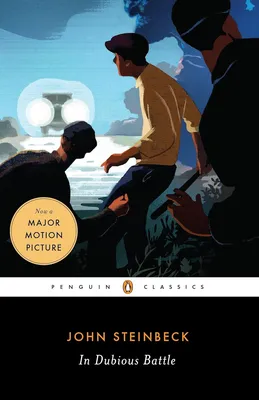
This is the labor novel Steinbeck wrote before The Grapes of Wrath that nobody talks about, and it's one of his most interesting books for it. It follows a young Communist organizer who joins a strike among apple pickers in California and watches the whole thing fall apart — not because of capitalism but because of human nature, factionalism, and the gap between ideology and actual people.
Steinbeck isn't cheerleading for either side. He's watching. The title is from Paradise Lost — Milton describing the war in heaven as fought "in dubious battle" — and that moral ambiguity runs through everything. It's grimmer than his other Depression-era work and more honest about the limits of collective action.
Who it's for: Readers interested in labor history or politics who want fiction that refuses to be propaganda for any side.
7. The Pearl by John Steinbeck
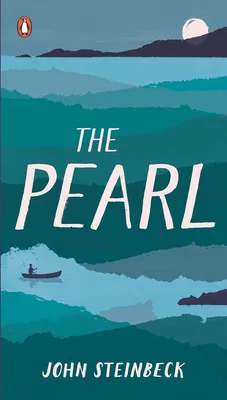
A Mexican pearl diver finds the most valuable pearl in the world and it destroys his family. That's the whole plot. Steinbeck wrote it as a parable — the kind of story that gets simpler and heavier the more you think about it. It's barely a hundred pages and structured like a fable, which makes it read fast and stick hard.
The violence in this book surprised me when I first read it. Steinbeck doesn't flinch. He's making a point about greed and poverty and what wealth does to people who've never had it, and he makes that point without any softening. It's taught in schools because it's short and clean, but the sadness in it is adult-sized.
Who it's for: Readers who want something brief and dark with moral weight — a single afternoon read that stays with you.
8. Travels with Charley: In Search of America by John Steinbeck
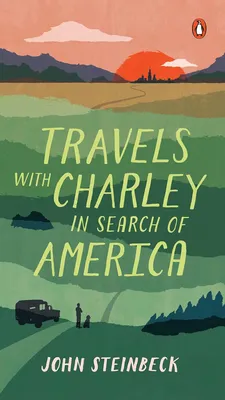
In 1960, Steinbeck drove across America in a truck with his French poodle, Charley, and wrote about what he saw. The America he found wasn't the one he'd been writing about for thirty years — it was changed, homogenized, highways replacing everything he'd loved, people sealed into their cars and their television sets.
This book is melancholy in the best way. Steinbeck was already in failing health, approaching the end of his life, and there's a sense of farewell running through it. He's an old man looking at a country he helped define and finding it strange. The scenes in his native Salinas are particularly quiet and good — the recognition that you can go home and still not find what you were looking for.
Who it's for: Readers who love American road narratives or want to see Steinbeck outside of fiction — reflective, honest, a little lost.
9. The Winter of Our Discontent by John Steinbeck
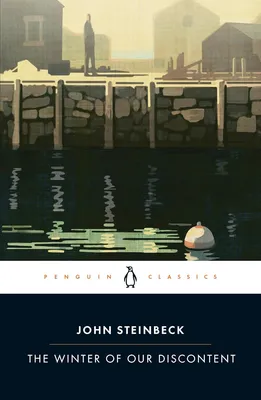
This was Steinbeck's last novel, published the year before he won the Nobel Prize, and it's his most contemporary in setting — a suburban New England grocery clerk in the 1960s who decides he's tired of being honest. It's about the rot underneath mid-century American prosperity, the way moral compromise gets rationalized step by step until you can't find your way back.
It's underread compared to his Depression-era work, which is a shame. The first-person voice is denser and more interior than his earlier novels, and it demands patience, but the portrait of ordinary corruption it builds is devastating. One commenter called it out specifically as a favorite, and it's earned.
Who it's for: Readers drawn to moral psychology — how ordinary people talk themselves into doing bad things, one reasonable-sounding step at a time.
10. Sweet Thursday by John Steinbeck
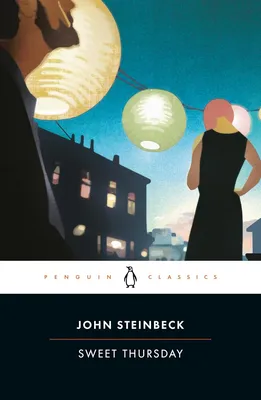
The sequel to Cannery Row — same setting, same characters, a few years later after the war has changed everyone and the sardines have mostly disappeared. Doc (the marine biologist based on Steinbeck's real friend Ed Ricketts) is depressed and the paisanos try to fix him by finding him a woman, with predictable results.
It's looser than Cannery Row and more sentimental, and some Steinbeck readers consider it minor work. I think it's charming in the way only a writer writing for love rather than ambition can be charming. If you fell for Cannery Row, you'll want to spend more time in that world.
Who it's for: Readers who loved Cannery Row and want to go back — just don't expect the same level of precision.
11. To a God Unknown by John Steinbeck
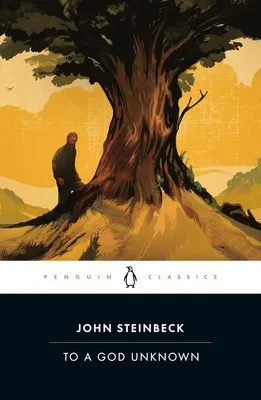
One of his early novels and his strangest: a farmer moves to California and develops a near-mystical connection to the land that becomes increasingly dark and ritualistic as drought threatens everything. Steinbeck was twenty-nine when he wrote it and still figuring out what he wanted to do, but the passion in it is enormous.
It's not his most polished work — the pacing is uneven and the symbolism is heavy — but for readers who want to understand what Steinbeck was wrestling with before Grapes of Wrath, it's fascinating. The land itself becomes a kind of god in this book, and Steinbeck takes that seriously in ways that can feel genuinely strange.
Who it's for: Steinbeck completists, or readers interested in American mythology and man's relationship to the natural world.
Where to Start Based on Who You Are
If you've never read Steinbeck: start with Of Mice and Men. It's short, it's devastating, and it will tell you immediately whether his voice works for you. If it does, go to Cannery Row next for the warmer side of him, then East of Eden when you're ready for the full commitment.
If you read him in school and bounced: try Cannery Row or Tortilla Flat. These are the books where Steinbeck lets himself be funny and affectionate rather than tragic and furious. They're a different angle on the same writer.
If you want his masterpiece and nothing less: go straight to East of Eden. Clear your schedule. It's worth every page.
If you're interested in history and politics: The Grapes of Wrath and In Dubious Battle are the ones — the Depression-era labor novels that made him famous and controversial for good reason.
Steinbeck is one of the few Nobel laureates whose work has aged into something more readable, not less. The themes he kept returning to — dignity, land, what poverty does to people, whether we're capable of choosing to be good — haven't dated at all. If anything, they've gotten more relevant.
Continue Reading
Best Japanese Classic Books to Read Before You Die
Pre-1980s Japanese literature is some of the most psychologically rich fiction ever written — alienation, beauty, shame, and the strange tension between tradition and modernity. Here's where to start.
Best Classic Books That Aren't Dense (Or Boring)
You don't have to slog through 900 pages of Russian sadness to engage with the canon. These classics are short, readable, and actually good.