Book recommendations, reviews, and reading lists.

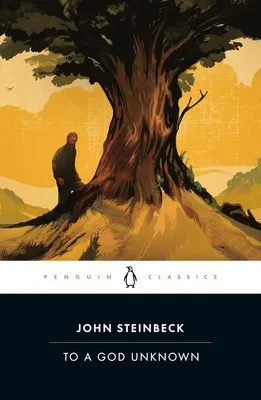
To a God Unknown
by John Steinbeck
| Publisher | Penguin |
| Published | 1995-08-01 |
| Pages | 242 |
| ISBN | 9780140187519 |
| Categories | Fiction |
| Google Rating | 4/5 (1 ratings) |
What Readers Say
I know it’s strange to start with silence, but that’s honestly the first thing I notice when I search Reddit for To a God Unknown. It’s not a book people debate or dissect in long threads — it’s a name someone will drop in a “favorite Steinbeck” post, and then the conversation quietly moves on. But that single mention, often with a handful of upvotes, feels weighted. It’s like a secret handshake among Steinbeck die-hards. From what I gather, no one calls it his best work, but nobody trashes it either. The common thread is that this early novel feels raw and strange, a mythic departure from the social realism he’d later perfect. Readers seem surprised by how pagan and elemental it is, and I get the sense they respect it more than they enjoy it — or perhaps they enjoy it in a way that’s hard to put into casual comments. The lack of loud criticism is telling; it’s the kind of book that invites personal reflection rather than public argument.
Who It’s For
I’d point you toward this book if you’ve already devoured The Grapes of Wrath and East of Eden and you want to see where Steinbeck’s obsession with the land started. It’s for the completist who isn’t just ticking boxes but is genuinely curious about the mythical undertow in his writing. If you love the way D.H. Lawrence marries human desire to the natural world, or if the drought scenes in Grapes made you feel the soil cracking in your own bones, To a God Unknown is your next read. This is not for a newcomer to Steinbeck; his later books give you a context for what he’s attempting here. And honestly, skip it if you need a propulsive plot or clear resolutions — this one’s a quiet, ritualistic meditation.
Reading Context
Most readers, including those on Reddit, place this novel early in a journey through Steinbeck’s California cycle, often after The Pastures of Heaven or just before Of Mice and Men. It’s a perfect companion piece to The Grapes of Wrath — you can trace how his vision of the land evolves from personal, druidic sacrifice to collective social protest. There’s no film adaptation to lean on, so the book stands alone in your imagination. Before you start, it helps to know that Steinbeck wrote this in his twenties, and it reads like a young man wrestling with big, mystical ideas he hasn’t yet refined into the prose we recognize. I’d recommend pairing it with something grounded afterward, like Cannery Row, to balance out the ancient hush.