Book recommendations, reviews, and reading lists.

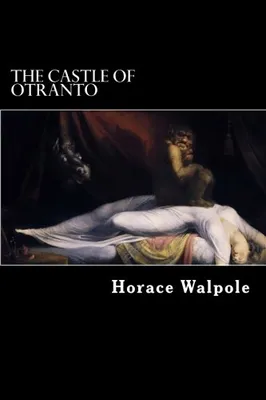
The Castle of Otranto
by Horace Walpole
| Publisher | DigiCat |
| Published | 2022-11-13 |
| Pages | 100 |
| Categories | Fiction |
| Google Rating | 0.0/5 (0 ratings) |
What Readers Say
Readers who bring up The Castle of Otranto are usually making a genealogical argument — this is where Gothic fiction starts, and knowing it gives you a different understanding of everything that followed. Walpole published it in 1764, initially claiming it was a translation of a medieval manuscript. The conventions it invented — crumbling castles, ancestral curses, supernatural events that confirm hidden guilt, secret identities revealed too late — went on to define a genre that's still producing descendants today. Readers note that the supernatural elements are blunt in ways modern horror would find naive, but that bluntness is part of what makes it interesting as a historical document.
Who It's For
Readers who want to understand Gothic literature from the root, not just the branches. It's short (about 100 pages) and strange by modern standards — the characters are types rather than people, the plot moves fast, and Walpole is clearly making up the rules as he goes. But if you've read Northanger Abbey (Austen's parody of Gothic fiction) or The Mysteries of Udolpho and wondered what came before, this is the answer.
Reading Context
Walpole built Strawberry Hill House in the same Gothic Revival aesthetic that runs through the novel — the setting and the sensibility were the same project. The influence runs forward through Ann Radcliffe, Matthew Lewis's The Monk, Mary Shelley, Poe, and on through every haunted house and ancestral-curse narrative since. Worth pairing with Polidori's The Vampyre (the first vampire story) and The Turn of the Screw for readers mapping the early history of horror.