Book recommendations, reviews, and reading lists.

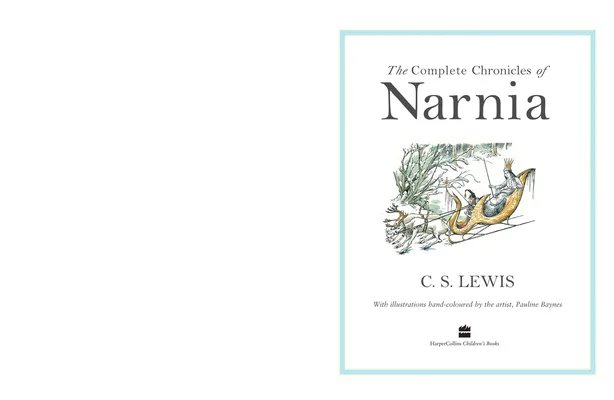
The Chronicles of Narnia
by C.S. Lewis
| Published | 2004 |
What Readers Say
What strikes me most about the Reddit conversations around The Chronicles of Narnia is how consistently readers describe it as a series that grows with you. One commenter put it perfectly: these are books you should read at least three times at different life stages — as a child they're just fantastic stories, as a teen you start seeing allegories and making connections, and as an adult the religious symbolism becomes impossible to miss. That's a rare quality in any book, let alone a children's series.
The Christian subtext is the main thing readers warn each other about — and also the thing that surprises those who didn't grow up religious. Lewis wove it in so thoroughly that rereading as an adult can feel like discovering an entirely different book. Some readers find this adds depth; others feel slightly ambushed. Either way, almost nobody says the allegory ruins the experience for them.
The opening line of The Voyage of the Dawn Treader — "There was a boy called Eustace Clarence Scrubb, and he almost deserved it" — gets called out as one of the best opening sentences in fantasy.
The one counterpoint that comes up: Narnia left at least one reader "sobbing and crying" in a thread specifically about warm, comforting books. These stories are ultimately about loss, sacrifice, and the end of things. Don't go in expecting pure comfort.
Who It's For
The Chronicles of Narnia lands consistently in recommendations for readers who loved Harry Potter and want that same sense of stepping into a fully realized world. If that's you, this is the obvious next stop — and it comes bundled with The Lord of the Rings as almost a set recommendation. C.S. Lewis and Tolkien were close friends, and reading both together gives you the full picture of what mid-century British fantasy was trying to do.
It's also the go-to series for voracious young readers, recommended alongside A Wrinkle in Time, A Wizard of Earthsea, The Chronicles of Prydain, and books by Tamora Pierce.
For adults coming to it fresh, the comparison that keeps appearing is C.S. Lewis and Ursula Le Guin as twin giants — both safe from sexual content, both steeped in meaning, both foundational to fantasy through a thoughtful lens.
Reading Context
The order question is worth addressing head-on: The Lion, the Witch and the Wardrobe was written first and is still the best entry point, even though publishers now sometimes package the series in internal chronological order starting with The Magician's Nephew. Start with The Lion, the Witch and the Wardrobe.
The books are short and move fast. The whole series is manageable in a single omnibus edition.
Content-wise, these are genuinely appropriate for children. No sexual content, no graphic violence. The emotional content is another matter — themes of death, sacrifice, and irreversible loss are central, especially in the later books. Parents reading aloud should be prepared for those conversations.
The BBC adaptations exist if you want a companion watch, but the books are the thing. Lewis's prose reads beautifully aloud, which is exactly why The Chronicles of Narnia appears on lists of the best books to read aloud to someone.