Book recommendations, reviews, and reading lists.

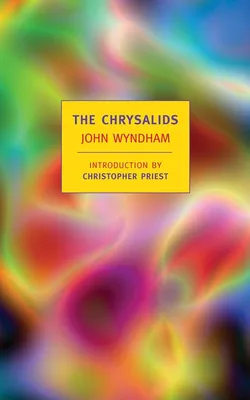
The Chrysalids
by John Wyndham
| Google Rating | 0.0/5 (0 ratings) |
What Readers Say
The Chrysalids consistently shows up on lists that span horror, post-apocalyptic fiction, and classic SF — which tells you something about how hard it is to pin down. What readers seem to respond to most is the creeping dread of the premise: a post-nuclear society that has rebuilt itself around religious fanaticism and the violent enforcement of physical "normalcy." Anyone or anything that deviates from a strict definition of perfection is cast out or destroyed. The horror isn't monsters or spectacle — it's the banal, institutionalized cruelty of people who genuinely believe they're doing the right thing.
Readers also note how relevant it feels. The story was written in the 1950s and set in a distant future, but the mechanics of it — conformity enforced by fear, mutation as metaphor for difference, the violence done in the name of purity — land differently now than Wyndham probably intended. It's the kind of book that gets recommended alongside Orwell and Huxley, and for good reason: it's working on the same register.
The one thing readers occasionally flag is that the pacing in the first half is deliberately slow. The world-building is meticulous and the dread builds quietly before the story accelerates. That's not a flaw so much as a feature — it earns the tension — but it's worth knowing going in.
Who It's For
This one is for readers who want their dystopian fiction to feel genuinely unsettling rather than action-packed — specifically, anyone drawn to stories where the horror comes from social conformity and the cruelty of ordinary people rather than from a single villain or catastrophic event.
Reading Context
The Chrysalids belongs on the shelf next to Brave New World, 1984, and A Canticle for Leibowitz — it's operating in that same mid-century space where SF was doing serious work about what humanity might do to itself after catastrophe. It also pairs naturally with Earth Abides and The Long Tomorrow for readers building out a post-apocalyptic reading list that goes deeper than the blockbuster titles.
It fits surprisingly well in horror conversations too, which is how it surfaces on essential horror lists despite being shelved as SF. The terror is psychological — the paranoia of a child who knows he is different and knows what happens to people like him. If you've read The Children of Men or Never Let Me Go and wanted something with that same suffocating societal menace, this is the older, leaner version of that feeling.