Book recommendations, reviews, and reading lists.

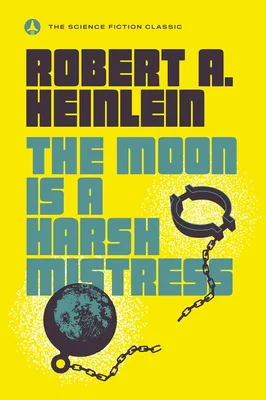
The Moon Is a Harsh Mistress
by Robert A. Heinlein
| Publisher | Macmillan |
| Published | 1997-06-15 |
| Pages | 388 |
| ISBN | 9780312863555 |
| Categories | Fiction |
| Google Rating | 4/5 (8 ratings) |
What Readers Say
This is the Heinlein novel readers reach for when they want to argue that he still matters. Again and again people call it his best — "one of the greats and Heinlein's best work," "one of Heinlein's few books that hold up over the years," from readers who say they've read everything he ever wrote. What sticks with them isn't the 2076 lunar-colony revolution so much as how prescient it feels: one reader described thinking about the book every time he watches the news and wonders how much of it is intentional influencing of public opinion. The interplay of cultural, technological, and military forces in how collective power actually works is the part that lingers.
It's also the book people name first when they want science fiction about a genuinely sentient AI — Mike, the lunar mainframe who wakes up with a sense of humor, comes up constantly in "SF about sentient AI" threads. The honest caveat readers raise is the politics: Heinlein's libertarian streak is front and center, and even fans who love the book will add "though I don't like his libertarian politics." A few readers who just don't click with Heinlein bounce off it, but almost nobody disputes its stature.
Who It's For
This is for readers who want classic, idea-forward science fiction that rewards you for thinking about how societies and power really function — the reader coming to golden-age SF for the first time and wanting the one Heinlein everybody agrees on. It's a strong pick if you love a smart-machine character and want the ur-text for sentient AI in fiction, and you can stomach (or enjoy arguing with) a heavy dose of libertarian politics. If Heinlein's earlier work has felt dated to you, this is the one people insist holds up.
Reading Context
Readers consistently pair it with Stranger in a Strange Land as the two Heinlein novels worth starting with, and it turns up alongside Contact, Rendezvous with Rama, and The Forever War on "top-tier classic SF" lists. For the AI angle, it gets recommended next to When H.A.R.L.I.E. Was One and Neuromancer. There's a running debate over whether it counts as "modern" — it's pure golden age, published in 1966 — but the usual verdict is that everyone should read it regardless. I've included it on my Books Like Childhood's End list for readers chasing that big, civilization-scale feeling.