Book recommendations, reviews, and reading lists.

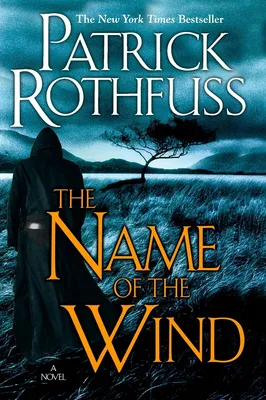
The Name of the Wind
by Patrick Rothfuss
| Published | 2007 |
What Readers Say
The word I see most often attached to The Name of the Wind is "immersive." Readers describe finishing it in two days, popping awake in the middle of the night to sneak in a few more chapters, feeling genuinely unable to put it down. One reader said it felt like "being told a legend in a candlelit tavern" — and that's about as accurate a description as I've come across. The prose has a quality people struggle to articulate but keep reaching for: lyrical, cozy, cinematic, almost musical. Someone once called it "cozy even in its darkest moments," and I think that's exactly right.
What surprises readers is how character-driven it is for a fantasy novel this size. The worldbuilding is dense and the magic system feels genuinely lived-in, but the book never stops being about Kvothe — his voice, his memories, his mythology. That's also where the divide starts. Some readers love that intimacy. Others find nearly 700 pages of scene-setting and flashback with "barely anything interesting happening" to be a genuine slog, especially if the protagonist rubs them wrong. The criticism that Kvothe can be unsympathetic comes up, and there's a recurring complaint about how women are written — particularly Denna, who draws comparisons to the manic pixie dream girl trope.
The unfinished trilogy is the elephant in the room. Book two, The Wise Man's Fear, is more divisive than the first — some readers find the extended sequences in other lands and the shift in tone to be a serious stumbling block — and book three has been in indefinite delay for over a decade now. That context colors how readers recommend it. The honest ones lead with the warning.
Who It's For
If you read Harry Potter and wanted something that kept that sense of a young person learning magic at school but aimed squarely at adults, this is the obvious next stop. Readers also reach for it when recommending to fans of The Lord of the Rings who want something more intimate and character-focused, or to people who loved East of Eden and want that same sense of a beautifully written book that you feel rather than just read.
It comes up consistently in lists for reluctant or returning readers — people getting back into books after a long break, or self-described non-readers who need something that hooks them fast. That's a testament to how compulsively readable it is despite the length.
Companion reads that come up alongside it: Mistborn for readers who want a complete epic fantasy trilogy with a strong magic system, Red Rising for the morally complex protagonist angle, The Magicians for the academic magic setting with a darker edge, and A Deadly Education if you want the magic school premise done with sharper wit. For the audiobook crowd specifically, readers call out that the narration adds a lot to the atmosphere — it's one of the better fantasy listens out there.
Reading Context
Go in knowing this is an incomplete trilogy and the third book, The Doors of Stone, has no confirmed release date. It has been "coming" for over a decade. That's not a reason to skip the first book — plenty of readers consider The Name of the Wind worth it on its own terms — but it's dishonest to recommend it without saying so. If you're the type who can't stand open endings, wait.
The audiobook is genuinely excellent and a legitimate way to experience this one. The prose style translates well to narration, and several readers specifically recommend it for the atmospheric effect.
Reading order is straightforward: The Name of the Wind first, then The Wise Man's Fear, then the novella The Slow Regard of Silent Things if you want more. There's also The Lightning Tree, a short story set in the same world. Neither the novella nor the short story is essential.
Content-wise: there's a lengthy and fairly explicit sexual sequence in The Wise Man's Fear that catches some readers off guard given the tone of the first book. Worth knowing before you hand it to a teenager or read it aloud to someone.