Book recommendations, reviews, and reading lists.

The Best Psychological Thrillers for Readers Tired of Being Disappointed
2026-04-06 · Written by Josh
The Problem With the Genre
You know the drill by now. The unreliable narrator who isn't unreliable so much as dishonest for no structural reason. The dastardly husband with secrets. The florid prose that works overtime describing bodies and breathing in the same sentence. The twist that you see coming from chapter three because it's the same twist every book in this section of the bookstore is using.
The genre burned through its goodwill fast. What Gone Girl achieved — a genuinely crackling wit alongside the pulp, characters who felt like real damaged people rather than thriller puppets — got copied so many times by writers who understood the mechanics but not the soul that "domestic thriller" became a warning rather than a recommendation.
The good news is that the books that actually work are very good, and they were good before the genre ate itself. Here are fifteen psychological thrillers that deliver on what the bad ones promise.
1. Gone Girl by Gillian Flynn
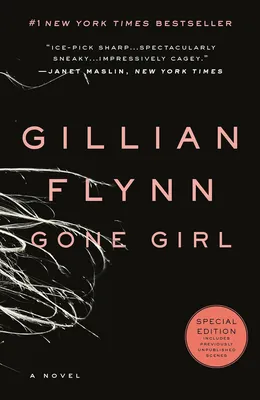
Still the benchmark. Flynn understood something that most thriller writers don't: the social analysis needs to be as sharp as the plot mechanics. Nick and Amy's marriage is a forensic examination of how two people perform themselves for each other, and the performance becomes the crime. The wit here is genuinely dark — Amy's voice is one of the more remarkable achievements in recent genre fiction — and the twist earns itself because it's built on character logic rather than authorial convenience.
Who it's for: Readers who have heard about it forever and wondered if it was actually good. It's actually good.
2. Rebecca by Daphne du Maurier
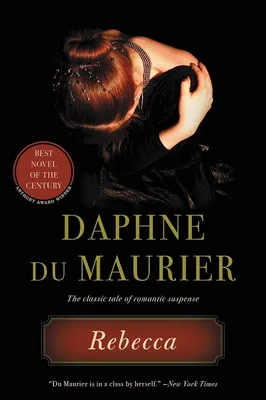
The original domestic thriller, published in 1938, and still the best. The unnamed narrator marries Maxim de Winter and moves into Manderley, his estate, where the ghost of his dead first wife Rebecca permeates everything. Du Maurier is doing something architecturally perfect: the suspense is generated not by anything supernatural but by what is withheld, by the narrator's own insecurity, by the housekeeper Mrs. Danvers who is one of the great presences in English fiction. Read it before anyone spoils the ending.
Who it's for: Readers who want to understand where the genre actually starts — not Gone Girl, not the locked-room mystery, but this.
3. The Talented Mr. Ripley by Patricia Highsmith
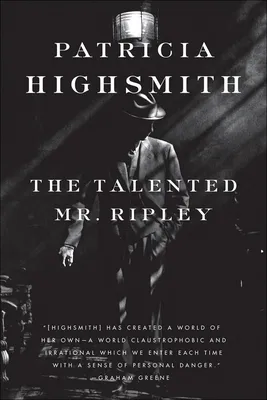
Tom Ripley is dispatched to Europe to bring home a wealthy young man named Dickie Greenleaf. Instead, he decides to become Dickie Greenleaf. Highsmith puts you fully inside Ripley's perspective without ever endorsing it, which is the hardest trick in psychological fiction. The suspense here doesn't come from whether Ripley will be caught — though that's there too — but from the texture of his consciousness, the specific logic of a person who wants something so badly he's willing to do anything for it and doesn't find that troubling.
Who it's for: Readers who want a psychological thriller where the psychology is doing actual work, and who can handle spending 300 pages inside the head of a sociopath.
4. The Secret History by Donna Tartt
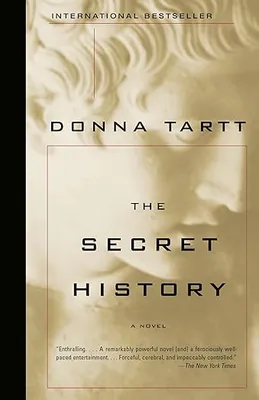
A group of classics students at a small Vermont college commit a murder. The novel opens with this fact and then spends 500 pages explaining how it happened and what came after. Tartt is writing literary fiction in a thriller structure, and the combination produces something that shouldn't work as well as it does: the plot mechanics of a suspense novel carrying the weight of a novel about beauty, obsession, moral collapse, and the specific rot of a certain kind of intellectual privilege.
Who it's for: Readers who want psychological fiction that can sustain close reading — where the writing itself is the point, not just a delivery mechanism for plot.
5. Sharp Objects by Gillian Flynn
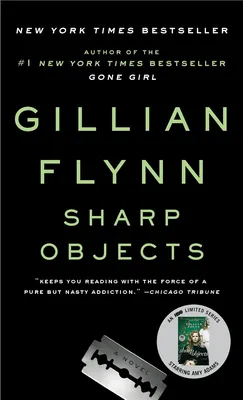
Flynn's first novel and arguably her darkest. A journalist returns to her small Missouri hometown to cover a series of murders of young girls and finds that she can't separate the investigation from her own history there. Where Gone Girl uses intelligence as its primary weapon, Sharp Objects uses dread — the accumulating sense that something in this town and this family is fundamentally wrong in a way that won't resolve cleanly. Flynn's control of the ending is better here than anywhere else she's written.
Who it's for: Readers who found Gone Girl too twisty and want something slower and more atmospheric, where the horror is about family rather than marriage.
6. The Push by Ashley Audrain
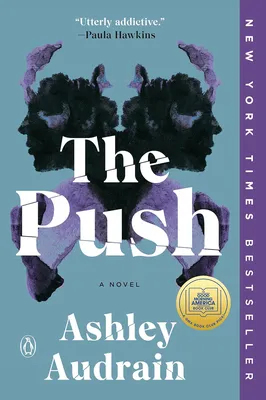
A mother who fears she is incapable of love for her daughter, and the growing certainty that something is wrong with her child that has nothing to do with postpartum depression. Audrain is working in the space between psychological horror and literary thriller, and she does something the genre rarely permits: she lets the mother's dread be real, rather than revealing it as misplaced. The book is genuinely disturbing in a way that feels earned because it refuses the reassuring resolution.
Who it's for: Readers who want psychological fiction about motherhood that doesn't resolve the ambiguity at the end, and who can handle sustained dread.
7. Fingersmith by Sarah Waters
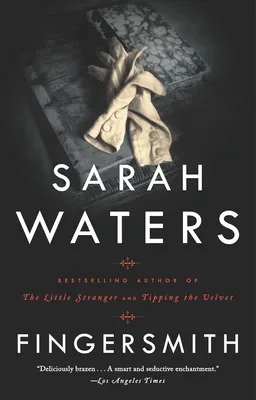
Victorian England, two women, an inheritance, a plan, and several layers of betrayal. Waters is working with the sensation novel tradition — Wilkie Collins, Sheridan Le Fanu — and updating it with a plot that genuinely surprises even attentive readers. The midpoint reversal is one of the better-executed twists in contemporary literary fiction precisely because Waters has been fair: everything you needed to know was in front of you, and you didn't see it. The prose is beautiful throughout.
Who it's for: Readers who want a psychological thriller that's actually literary — where the writing would be worth reading even without the plot mechanics — and who want the twist to feel earned rather than arbitrary.
8. Nightwatching by Tracy Sierra
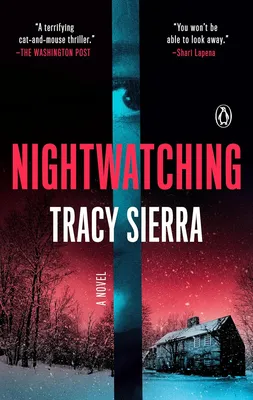
A woman and her two children are trapped inside their house during a blizzard while someone outside — possibly her ex-husband — is trying to get in. The entire novel takes place over a single night, and Sierra builds the suspense with architectural precision. What distinguishes this from standard home-invasion thriller territory is the interior voice: the mother's psychology, her history, her relationship with her children all doing real work in how the night unfolds. Readers describe it as physically exhausting to read, which is exactly right.
Who it's for: Readers who want genuine situational suspense with a character interior that makes the threat feel personal rather than generic.
9. The Kind Worth Killing by Peter Swanson
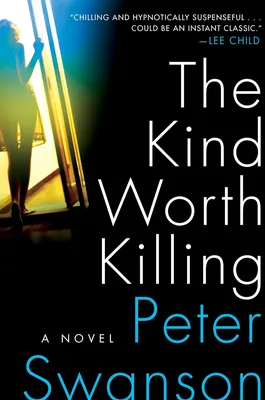
Two strangers meet in an airport bar and agree, almost as a game, to kill each other's enemies. Strangers on a Train is the obvious reference, and Swanson earns the comparison. The book alternates perspectives across characters who are all, in different ways, unreliable — and the twists here function because they're character-logical rather than plot-arbitrary. The writing is cleaner and more entertaining than most of the genre.
Who it's for: Readers who want the plotting pleasures of a twisty thriller alongside writing that's actually good.
10. My Cousin Rachel by Daphne du Maurier
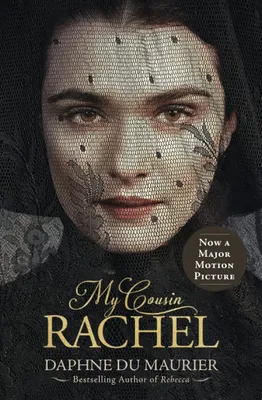
Philip inherits an estate after his guardian cousin dies in Italy under circumstances that may or may not have involved his cousin's wife, Rachel. Then Rachel arrives in England. Du Maurier is doing something unusual: she refuses to resolve the central question of whether Rachel is guilty, and the ambiguity is structural rather than lazy. The book is about how desire distorts perception — Philip can't know whether he's in love with a murderer because his desire prevents him from seeing clearly, and du Maurier denies the reader any cleaner view than he gets.
Who it's for: Readers who want psychological fiction that trusts them to sit with genuine ambiguity, and who can appreciate a novel that refuses to solve its own mystery.
11. The Lost Man by Jane Harper
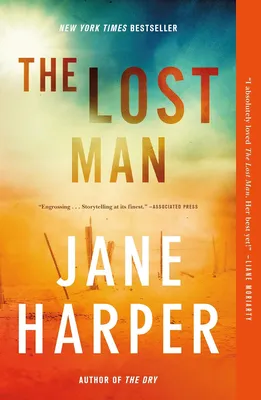
Two brothers meet between their remote Australian cattle stations. One of them is found dead in the outback. Harper uses the landscape as a structural element rather than a backdrop — the isolation of the Australian inland is what makes the psychology possible, what forces the family dynamics that the investigation uncovers. The writing has the precision of someone who understands that setting is characterization, and the revelation builds toward something more emotionally serious than the thriller format usually allows.
Who it's for: Readers who want a psychological thriller where the setting is doing as much work as the plot, and who want the emotional stakes to feel genuinely human.
12. Bright Young Women by Jessica Knoll
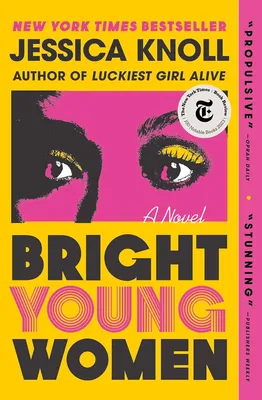
A novel told from the perspective of a survivor of a Ted Bundy-style killer — refocusing the narrative away from the serial killer's charisma and onto the women he killed and the woman who survived. Knoll is making a structural argument: the survivor's story, and the institutional failures that allowed the killer to operate for years, are more important than the killer's story. The result is one of the more interesting formal experiments in recent thriller fiction, and the writing is vivid throughout.
Who it's for: Readers who are tired of serial killer novels that romanticize the killer, and who want the genre's violence treated as having actual human weight.
13. The Quiet Tenant by Clémence Michallon
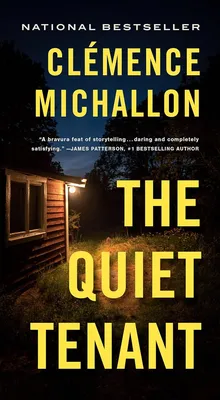
A woman escapes a captor who kept her for years — only to find herself embedded in his new domestic life as a housekeeper, invisible to the woman he's fallen in love with. Michallon is doing something psychologically intricate: the survivor has to decide what to do with knowledge that could save another woman but would expose her, and the novel is about that decision as much as it is about the threat. The French sensibility gives the prose a restraint that makes the tension more effective.
Who it's for: Readers who want psychological thriller that's interested in survivor psychology — the aftermath rather than just the event.
14. The Plot by Jean Hanff Korelitz
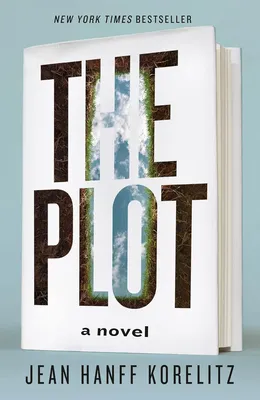
A creative writing professor steals a dead student's idea and turns it into a bestselling novel. The plot of the stolen book is so good that it makes the novel's success inevitable. Then someone figures out what he's done. Korelitz is writing a thriller about writerly ambition, intellectual insecurity, and the specific ethics of fiction, and the literary world satire is sharp enough to draw blood. The novel-within-the-novel also works as a story in its own right.
Who it's for: Readers who want their thriller to have an intellectual argument alongside the suspense, and who will enjoy fiction that thinks about what fiction is for.
15. The Family Upstairs by Lisa Jewell
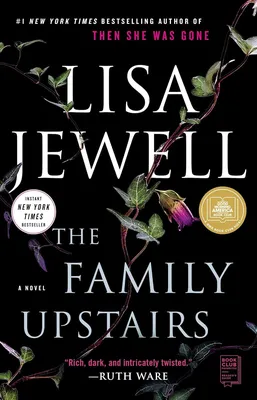
A 25-year-old receives a house she's never seen as an inheritance on her birthday. In it, when she was a baby, three adults were found dead and one infant was found alive — her. Jewell runs three timelines toward each other, and the revelation of what happened in that house is genuinely surprising because the novel spends its time building character rather than withholding plot. The domestic horror here is social: what happens to people who get absorbed into a charismatic family.
Who it's for: Readers who want domestic thriller rooted in character psychology, where the stakes feel personal because the people feel real.
Where to Start
If you've already read Gone Girl and are looking for the next step: Rebecca for the original, The Talented Mr. Ripley for the most psychologically serious, Fingersmith for the best-written twist, or Sharp Objects for more Flynn.
If you've been burned by the genre before: start with Highsmith or du Maurier, where the psychological thriller was being invented rather than copied.
Continue Reading
14 Books With Plot Twists That Completely Blindside You
Not just "I didn't see it coming" — these are the twists that made readers physically put the book down, stare at the wall, and then immediately flip back to reread everything with new eyes.
13 of the Most Beautifully Written Books Ever
The books that make you stop and reread a sentence for the sheer pleasure of it. Prose so good it feels like music, from Steinbeck to Hurston to Ocean Vuong.