Book recommendations, reviews, and reading lists.

The Best Noir Detective Books for Readers Who Like It Dark
April 28, 2026 · Written by Josh
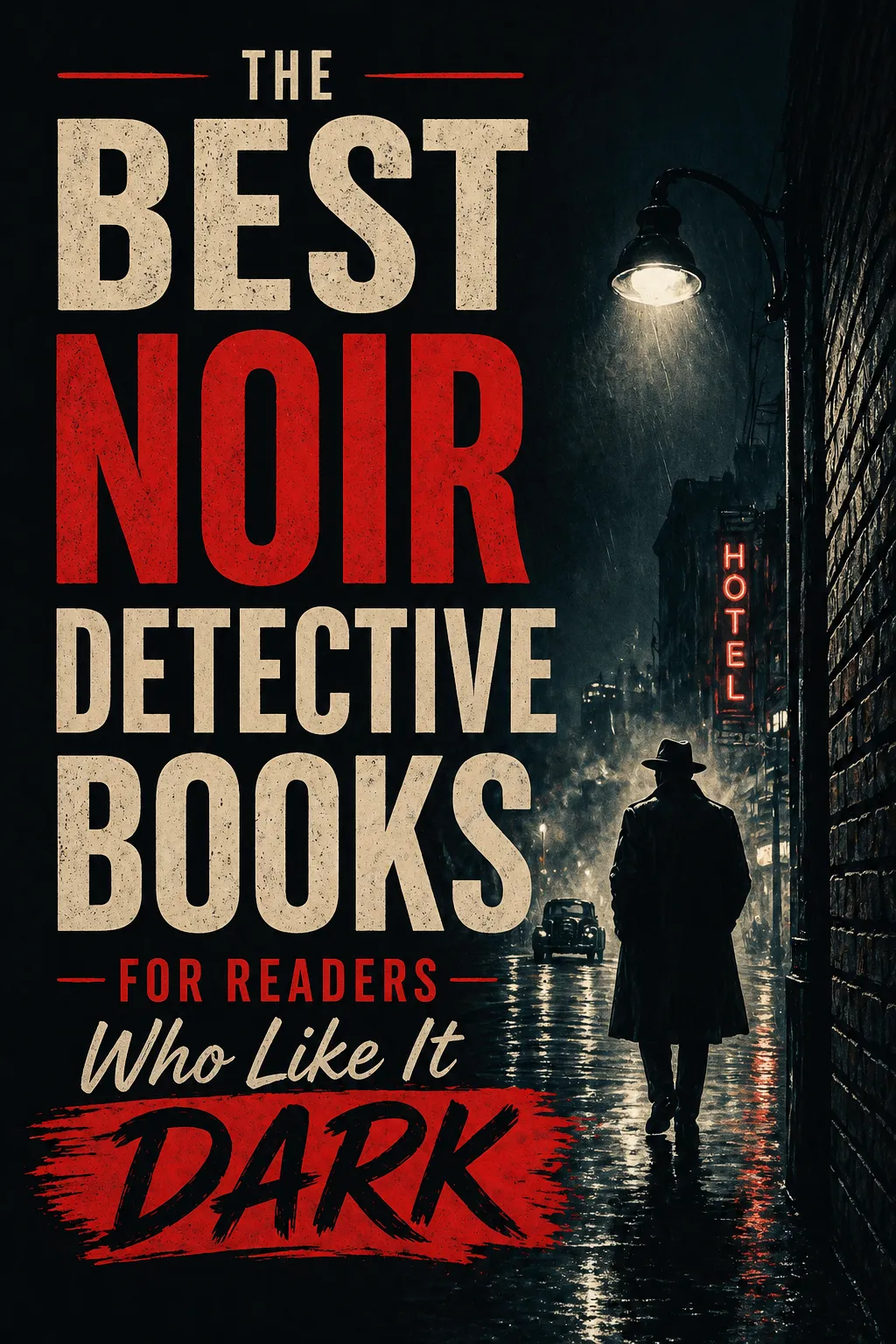
The Rain Never Stops. The Case Is Always Worse Than It Looks.
Noir detective fiction is the most honest genre. The detective knows the city is corrupt. He knows the case won't end cleanly. He knows that the client is lying and the cops are dirty and the truth, if it exists at all, will cost more than it's worth. He investigates anyway because he can't quite stop himself.
The archetype is so appealing that it's been diluted almost to the point of worthlessness — every mediocre airport thriller has a haunted detective with a drinking problem and a dead wife. The ones that actually work are harder to find. Here are the noir and neo-noir novels that readers consistently cite as the real thing.
1. The Big Sleep by Raymond Chandler
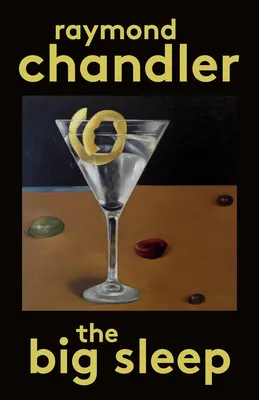
The origin. Philip Marlowe is hired by a dying old man to handle a blackmailer, and the case immediately becomes something worse and stranger. Chandler's Los Angeles is the definitive noir city — sun-bleached and rotting, money covering everything, nothing underneath it worth having. The plot famously doesn't make complete sense even on close reading (Chandler himself reportedly couldn't identify who committed one of the murders), but it doesn't matter: the atmosphere, the dialogue, and Marlowe's weary code of honor are the whole point.
Who it's for: Anyone who wants to read the novel that set the terms for everything that came after. The plot is beside the point.
2. The Black Dahlia by James Ellroy
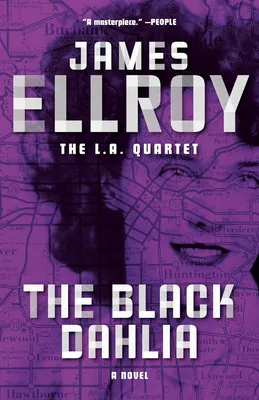
Ellroy took Chandler's ingredients and cooked them at a higher temperature for longer. The Black Dahlia opens with the 1947 murder of Elizabeth Short and descends into something increasingly dark — a city-wide corruption that implicates everyone including the detective investigating it. Ellroy's prose style is dense and staccato, and the book's darkness is genuine rather than decorative. The LA Quartet (The Black Dahlia, The Big Nowhere, LA Confidential, White Jazz) is one of the great sustained fictional achievements in crime writing; start here.
Who it's for: Readers who want noir with the darkness turned up past what Chandler permitted himself, and who can handle prose that demands attention.
3. LA Confidential by James Ellroy
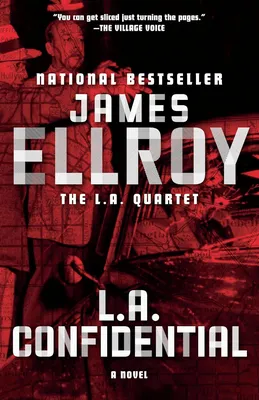
The Quartet's peak. Three cops, a tabloid scandal, a murders-for-hire ring, and the specific rot of 1950s Los Angeles when Hollywood was still a dream factory sitting on a body dump. The film is excellent; the novel is larger, more complicated, and considerably darker. Ellroy is working at the intersection of history and crime fiction, and the result is something that feels like it actually happened, which is the most unsettling thing he can do.
Who it's for: Readers who want their noir to also function as a forensic examination of a specific American city at a specific moment in its corruption.
4. The Last Good Kiss by James Crumley
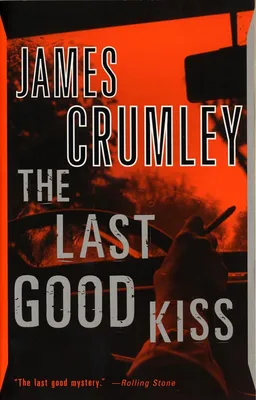
Almost unknown outside of crime fiction circles, and that needs to be corrected. C.W. Sughrue is a Montana private investigator hired to find a missing girl — but first he has to find a missing poet, which is a job that involves working his way across the West's bars and back roads. Crumley's prose is looser and wilder than Chandler's, drenched in alcohol and landscape, and the scene where Sughrue finally finds who he's looking for is one of the great moments in the genre. The opening line alone is worth the price of entry.
Who it's for: Readers who want their hard-boiled detective fiction with a literary prose style and a Western backdrop, and who want to discover a writer who deserves to be better known.
5. Eight Million Ways to Die by Lawrence Block
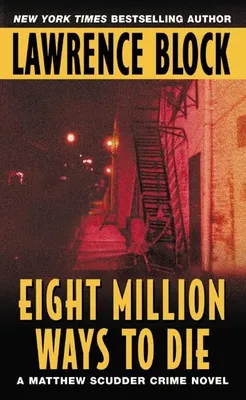
Matt Scudder is a former NYPD cop who killed a child in a crossfire years ago, stopped being a cop, and started drinking. He's not a licensed PI; he does favors for money. The Scudder novels track his journey through alcoholism with a sobriety that most crime fiction doesn't bother with — Block understood that the drinking in hard-boiled fiction was rarely treated as the actual disease it is, and he spent twelve books correcting that. Eight Million Ways to Die is the one where it all converges. New York, a dead prostitute, a case that keeps unfolding.
Who it's for: Readers who want the alcoholic detective trope taken seriously, as something that actually destroys a person rather than adds color to one.
6. Farewell, My Lovely by Raymond Chandler
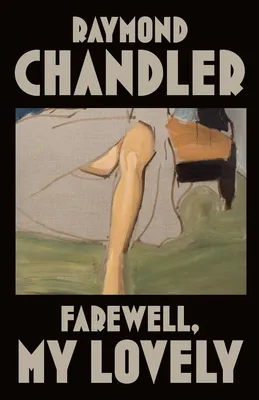
The second Philip Marlowe novel, and where Chandler got better. The case here is cleaner, the secondary characters more vivid, and the passages of Los Angeles description — the fog, the money, the specific smell of corruption — are Chandler at his best. The Long Goodbye is where he went deepest, a novel more interested in friendship and betrayal than mystery mechanics, and it's argued to be one of the best American novels of its era regardless of genre. The Philip Marlowe series runs seven novels; start here if The Big Sleep already worked for you.
Who it's for: Chandler readers who want to know which book to read next. Farewell, My Lovely is the answer, then The Long Goodbye.
7. The Snowman by Jo Nesbø
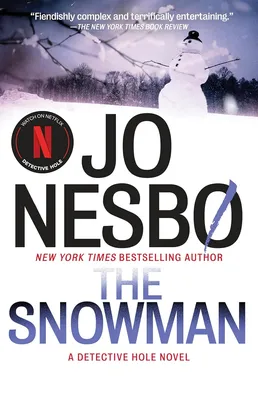
The most frequently recommended entry point to Nesbø's long Harry Hole series — and the one that made the character famous internationally. Harry Hole is an Oslo detective with a drinking problem, an ex-wife, a son, and a gift for finding himself inside cases that become more dangerous than they should be. Nesbø is working in the tradition but updating it for contemporary Scandinavian settings — the clean cities and social order are the wrong backdrop for the violence underneath, which is the point.
Who it's for: Readers who want their gritty detective fiction with a Scandinavian cold front, and who want a long series to settle into.
8. My Darkest Prayer by S.A. Cosby
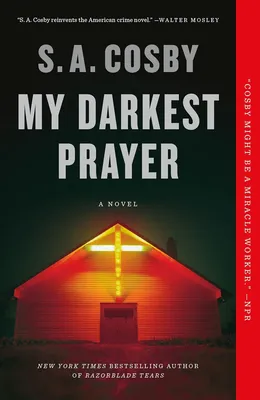
Nate Waymon is a former Marine and current mortuary assistant in a small Virginia town who investigates the suspicious death of a local preacher. Cosby is doing something specific: Southern noir, rooted in the Black community of rural Virginia, with a protagonist who navigates racial violence and social dynamics that classic noir almost entirely ignored. The mystery is tight and the action sequences are credible. This is where to start with Cosby if you want to understand what he's doing before you get to his bigger novels.
Who it's for: Readers who want neo-noir that's honest about whose story classic noir usually forgot to tell.
9. The Alienist by Caleb Carr
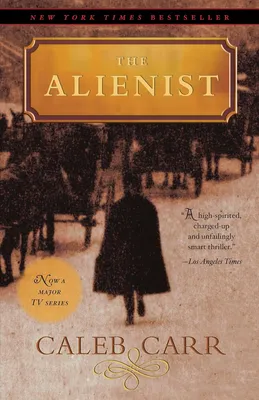
New York, 1896. A series of murders of boy prostitutes. A team assembled by Theodore Roosevelt to investigate using the new science of criminology — including a psychologist (the "alienist" of the title) who is developing methods that won't have names for decades. Carr is doing historical crime fiction, rooting the detective novel in the moment before forensic science made it the way it is now. The period detail is dense and the procedural elements are surprisingly modern in their approach to criminal psychology.
Who it's for: Readers who want noir with its feet in the gaslit 1890s, and who want the investigation of criminal psychology to be the central drama.
10. Fadeout by Joseph Hansen (Dave Brandstetter, Book 1)
Dave Brandstetter investigates death claims for an insurance company. He's gay, in 1970s Southern California, and Hansen doesn't make it a novelty — it's simply who he is in a world that is sometimes hostile and sometimes not. The twelve-book series is a sustained achievement in gay crime fiction that somehow never got the attention it deserved. Fadeout opens with a seemingly routine accidental death that turns out to be anything but. Hansen's prose is clean and the detection is intelligent.
Who it's for: Readers who want classic hard-boiled detective fiction with a protagonist who doesn't fit the usual template, and who want to discover a genuinely underappreciated series.
11. The Killer Inside Me by Jim Thompson
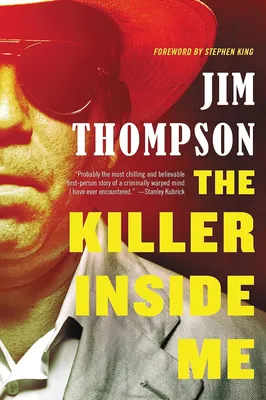
Not a detective novel — the detective is the murderer. Lou Ford is a small-town Texas deputy sheriff who is also, beneath the folksy surface, a cold and methodical killer. Thompson is doing something that crime fiction almost never permits: putting you inside the perspective of someone who doesn't regret what he does, and making you understand the logic without endorsing it. The prose is deceptive in its simplicity. Black Lizard Books published Thompson's collected work; almost any of it is worth reading.
Who it's for: Readers who want noir from inside the worst-case scenario — the lawman who is the crime.
12. Early Autumn by Robert B. Parker
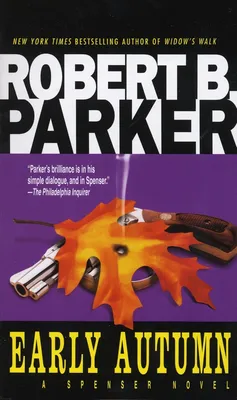
The fourth book in Parker's long-running Spenser series, and the best entry point into it. Spenser is a Boston PI with a moral code and a best friend named Hawk who does not share it. Parker's novels are lighter than anything else on this list — more character comedy than darkness — but the procedural elements are sound and the Boston setting is rendered with affection and specificity. Early Autumn is the place to start if you want to understand what the series is actually about: not the cases, but the education of a boy who needs someone to show him what it looks like to be a man.
Who it's for: Readers who want hard-boiled detective fiction with a more optimistic moral outlook, and who want a long series built on character rather than shock.
Where to Start
If you've never read noir: The Big Sleep is the canon entry, but The Last Good Kiss is the one I'd push you toward — it's less known and it hits harder. If you want something contemporary: Cosby for Southern noir, Nesbø if you want Scandinavian cold.
Ellroy is his own category. Once you start the LA Quartet, you'll read all four. Start The Black Dahlia only if you're prepared for that.
Continue Reading
Best Japanese Classic Books to Read Before You Die
Pre-1980s Japanese literature is some of the most psychologically rich fiction ever written — alienation, beauty, shame, and the strange tension between tradition and modernity. Here's where to start.
The 10 Most Recommended Books on Reddit, According to 2,600+ Book Threads
We analyzed over 2,600 Reddit threads about books and ranked the titles readers actually push people toward. The results tell a different story than any bestseller list.