Book recommendations, reviews, and reading lists.

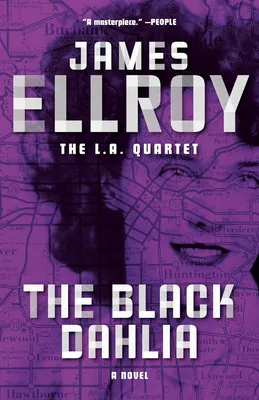
The Black Dahlia
by James Ellroy
| Publisher | Grand Central Publishing |
| Published | 2008-08-01 |
| Pages | 360 |
| ISBN | 9780446504461 |
| Categories | Fiction |
| Google Rating | 4/5 (2 ratings) |
What Readers Say
I notice readers consistently talk about the way The Black Dahlia doesn’t just tell a grim story—it saturates you in a mood that lingers long after the last page. One reader described reading it over a gloomy weekend and finding that the whole bleak, dirty vibe “stuck with me way longer than I expected.” That’s the core of what makes this book work: the case of Elizabeth Short’s brutal murder starts ugly and only gets darker, peeling back layers of 1940s Los Angeles to reveal a city-wide rot. It’s not a whodunit with a tidy resolution; it’s a descent where the detective himself gets implicated in the corruption he’s chasing, and readers appreciate that the darkness feels earned rather than decorative.
The prose style is a major talking point—dense, staccato, and demanding. I see people compare it to Raymond Chandler’s work but note that Ellroy “cooked Chandler’s ingredients at a higher temperature for longer.” That intensity can be challenging, but readers who click with it describe the book as impossible to put down. Once you settle into the rhythm, the clipped sentences and hardboiled poetry become addictive, making the moral complexities hit harder. The consensus is that this isn’t light noir; it’s a book that asks you to sit in its ugliness, and that’s exactly why it’s so unforgettable.
Who It's For
This is for readers who love classic noir like The Big Sleep but want something that pushes deeper into genuine moral decay rather than just moody posturing. If you’ve ever finished a Chandler novel and wished the darkness had more teeth, The Black Dahlia will satisfy that itch. It’s also a perfect entry point for anyone ready to commit to a series—readers warn that once you start the LA Quartet, “you’ll read all four,” so this is ideal for someone looking to sink into a sustained fictional world of crime and corruption. I’d hand this to a fan of S.A. Cosby’s razor-sharp social noir or anyone who appreciated the unflinching ugliness of The Alienist and wants to see that approach applied to mid-century L.A.
Reading Context
I always tell people to start here if they’re curious about Ellroy—it’s the first book of the LA Quartet and sets the tone for the whole series, though the novels can be read independently. If you finish The Black Dahlia, the natural next step is The Big Nowhere, which continues the era’s orchestral corruption. Many readers pair these with other foundational noir like Farewell, My Lovely or contemporary hits like LA Confidential (which is actually the third Quartet book, but the film adaptation stands on its own). Know before you start that Ellroy’s prose takes a chapter or two to acclimate to—readers suggest letting the staccato rhythm wash over you rather than fighting it. The book is loosely based on the real unsolved murder of Elizabeth Short, so some go in expecting a true-crime resolution and are surprised by how much the story becomes about the detective’s own unraveling. A rainy weekend and a strong stomach for institutional nastiness are the only prerequisites.