Book recommendations, reviews, and reading lists.

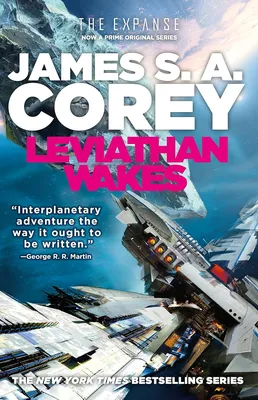
Leviathan Wakes
by James S. A. Corey
| Publisher | Orbit |
| Published | 2011-06-15 |
| Pages | 411 |
| ISBN | 9780316134675 |
| Categories | Fiction |
| Google Rating | 4/5 (54 ratings) |
What Readers Say
The pitch readers keep repeating is that Leviathan Wakes is a genre hybrid that shouldn't work but does: half hardboiled noir detective story, half space-opera adventure, with a thread of genuine space horror running underneath. Detective Miller's hunt for one missing girl collides with Holden's derelict-ship conspiracy, and readers love that the book nails the physics of realistic space travel and colonization while staying a "perfect character-driven space adventure page turner" — hard SF without the dry density that scares people off. It's also praised as the ideal on-ramp to a long series: the first book is a clean, self-contained murder mystery, and the nine-book Expanse is repeatedly called the true successor to Game of Thrones, with the crucial difference that it stuck the landing. The main ask of new readers is patience with the Belter slang for a chapter or two before it clicks.
Who It's For
Readers who want accessible hard-ish SF — the science is real but never smothers the story — and anyone who likes their space opera cut with noir, mystery, or horror. It's a strong pick for people looking for a long, bingeable series to sink their teeth into, and for fans of Project Hail Mary or Children of Time who want something with more grime and a bigger body count. Also ideal for viewers of the Prime show who want to go deeper than the adaptation.
Reading Context
This is book one of The Expanse, and readers stress that each subsequent volume shifts genre — political thriller, western, horror — so the noir tone here is a starting point, not the whole ride. It's frequently recommended alongside Adrian Tchaikovsky's Children of Time and Andy Weir's Project Hail Mary. Despite being marketed as space opera, the early Expanse books carry cyberpunk's DNA: an exploited Belt underclass, corporate manipulation, and class warfare on a solar-system scale. The Prime Video series is a common entry point, but the consensus is that the books go further.