Book recommendations, reviews, and reading lists.

Yukio Mishima
3 books on Read & Recommend
What Readers Say
When I read discussions about Yukio Mishima, what strikes me most is how readers describe him as a writer of profound contradictions. He's called "excellent" and "utterly ridiculous" in the same breath—a man whose work is inseparable from his life. Readers consistently praise his unflinching exploration of beauty, death, and homoeroticism, noting that his writing pulses with a tension between traditional Japanese aesthetics and modern disillusionment. The common thread in reader comments is that Mishima was a "genuine dissident" who hated what post-war Japan was becoming, calling it "Disney land," and his work channels that disgust into something both beautiful and disturbing.
The criticism I see often centers on how his personal life and dramatic suicide can overshadow the actual writing. Some readers warn that you can't separate the man from the page—his obsession with classical Japanese ideals and his inability to live freely as a gay man permeates everything he wrote. But for most, that's not a flaw; it's the point. Readers who love Mishima tend to also appreciate Osamu Dazai, suggesting a shared interest in Japanese authors who wrestle with despair and identity.
Where to Start
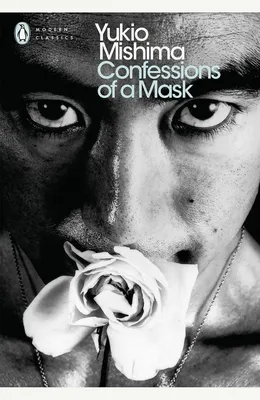
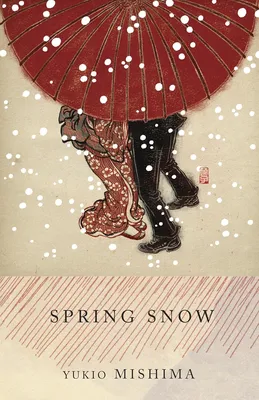
The consensus among readers is clear: Confessions of a Mask or Spring Snow are your best entry points. Confessions of a Mask is the more direct introduction—it's semi-autobiographical, dealing openly with homosexuality and the performance of masculinity in wartime Japan. If you want to understand the man behind the myth, start here. Spring Snow, the first volume of his Sea of Fertility tetralogy, is the better choice if you're after his more lyrical, novelistic side—it's lush, romantic, and showcases his mastery of traditional Japanese prose.
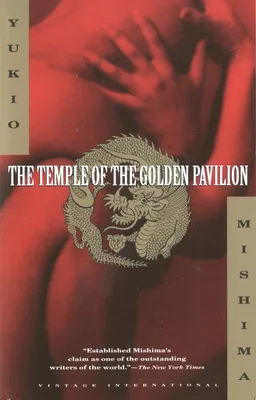
For readers drawn to psychological intensity and nihilism, The Temple of the Golden Pavilion is frequently cited as a standout. It's a dark study of obsession and beauty based on a real event, and it captures Mishima's philosophical edge. If you're coming from something like A Little Life and want more Japanese existential dread, this is your book.
Reading Context
Mishima sits at the crossroads of Japanese literary tradition and modernist experimentation. Readers often compare him to Osamu Dazai and Kōbō Abe, though Mishima's work is more ornate and deliberately classical in style. His recurring themes—the tension between traditional Japanese values and Westernization, the eroticism of death, the impossibility of authentic self-expression—place him within a uniquely Japanese strain of existentialism.
His cultural footprint is enormous. Readers repeatedly mention his spectacular end: his failed coup attempt and ritual suicide by seppuku in 1970. This event colors everything written about him, and it's become inseparable from his literary legacy. Several of his major works have been adapted into films, and he appears regularly on "best Japanese classics" lists alongside Kawabata, Soseki, and Tanizaki. For readers doing world literature challenges, Mishima is considered essential—he captures Japan's transformation through the 20th century with an intensity that no other writer quite matches.